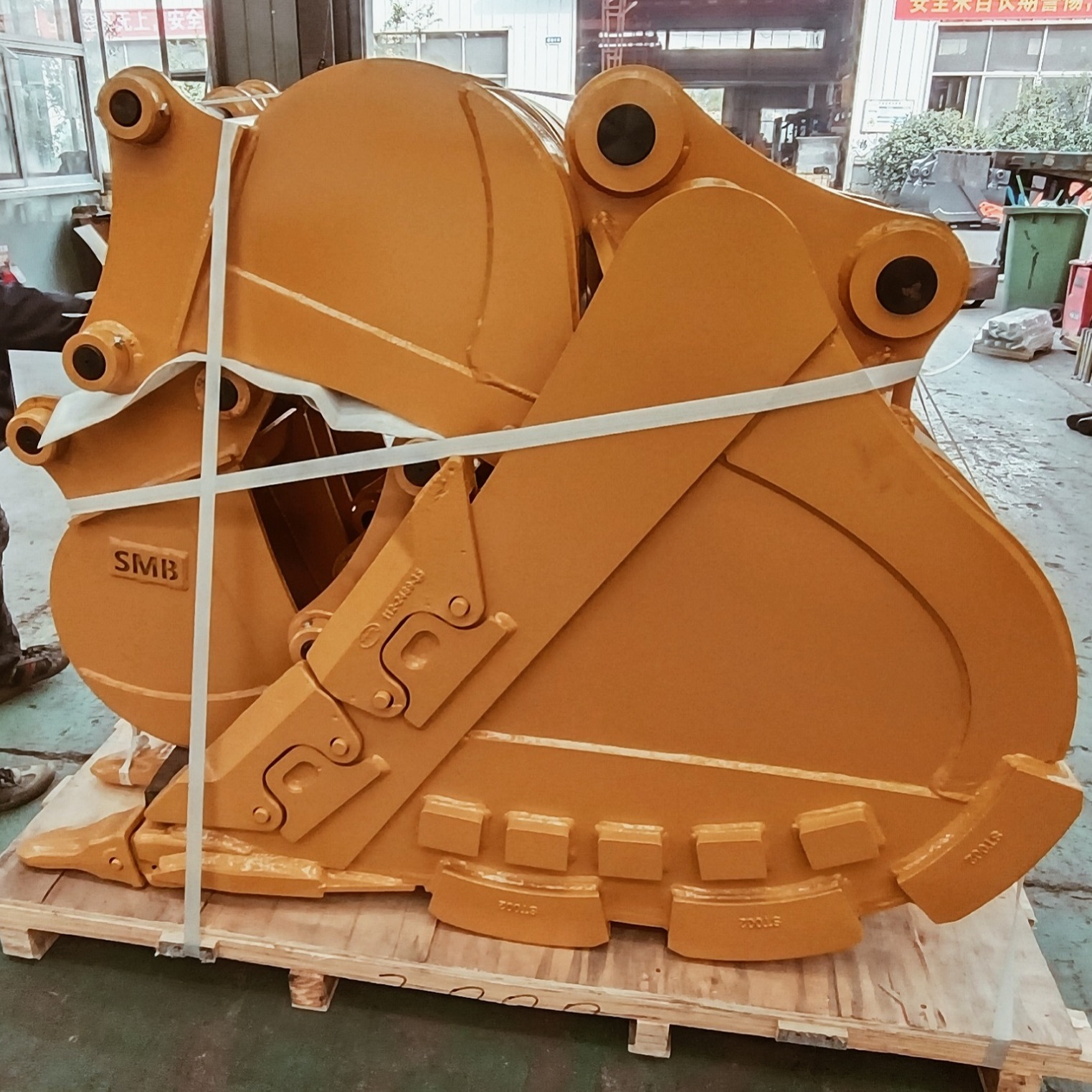

Choosing Wisely: Your Excavator Bucket's Critical Impact on Productivity & Profit
The excavator bucket is far more than a simple digging tool—it’s the primary interface between your machine and the material. Selecting the wrong bucket doesn’t just slow you down; it can slash productivity, spike operating costs by 10–20%, and accelerate wear on both the bucket and your excavator. Understanding bucket types is non-negotiable for maximizing ROI. Below, we break down the four universal bucket categories every operator should know:
1. Light-Duty Buckets
Purpose: Low-impact, low-abrasion materials (soil, loam, soft clay).
Key Features:
-
Shallow Profile: Optimized for easy material release, especially sticky clays.
-
Lightweight Design: Reduces cycle times and boosts lifting capacity.
-
Modularity: Pre-drilled side plates allow optional side cutter installation.
Ideal For: Landscaping, light trenching, and agricultural work where speed > durability.
2. General-Purpose (GP) Buckets
Purpose: Mixed conditions (soil, gravel, loam, clay) with moderate abrasion.
Key Features:
-
Balanced Design: Deeper than light-duty but retains efficient material release.
-
Reinforced Stress Points: Added wear strips on high-fatigue zones (e.g., bucket corners).
-
Side Cutter Compatibility: Pre-drilled for enhanced side protection when needed.
Ideal For: Utility work, drainage projects, and general construction—the “daily driver” bucket.
3. Heavy-Duty Buckets
Purpose: High-abrasion environments (hard clay, rocky soil, recycled concrete).
Key Features:
-
Thick Wear Protection: Hardox® or AR400 steel plates welded to the floor, sides, and back.
-
Structural Reinforcement: Extra gussets at pivot points and adapter ears.
-
Aggressive Tooth Configuration: Enhanced penetration in compacted materials.
Ideal For: Demolition, quarry loading, and harsh industrial sites where wear is inevitable.
4. Heavy-Rock Buckets
Purpose: Extreme abrasion/impact (granite, blasted rock, iron ore).
Key Features:
-
Maximum Armor: 25–50mm wear plates cover the entire floor, sides, and back.
-
Full-Height Side Shields: Extend protection to the upper sidewalls against ricocheting debris.
-
Forged Adapters & Rock Teeth: Replaceable tungsten-tipped teeth handle brutal impact forces.
Ideal For: Mining, hard-rock excavation, and heavy quarry applications—where downtime is catastrophic.
Why Bucket Choice = Cost Control
-
The 20% Rule: A mismatched bucket increases fuel consumption, accelerates component wear (cylinders, pins, bushings), and cuts productivity by 10–20%.
-
Hidden Costs: Using a light-duty bucket in rock generates microfractures in the bucket shell, leading to catastrophic failure. Conversely, an oversized rock bucket in clay wastes fuel and reduces payload efficiency.
-
Longevity Hack: Always match bucket weight to your excavator’s recommended operating range. Overloading strains the hydraulic system and undercarriage.
The Bottom Line
Your bucket isn’t just a consumable—it’s a profit multiplier. Investing in the right type:
-
Extends machine lifespan
-
Lowers cost per ton
-
Prevents $15k+ repair bills from structural fatigue
Work smarter, not harder: match the bucket to the job, and watch your margins grow.
Excavator Bucket Cylinder Sliding Fault
Choosing Your Cutting Edge: A Guide to Essential Excavator Bucket Types
Related Article