
Choosing Your Cutting Edge: A Guide to Essential Excavator Bucket Types
2025-06-28
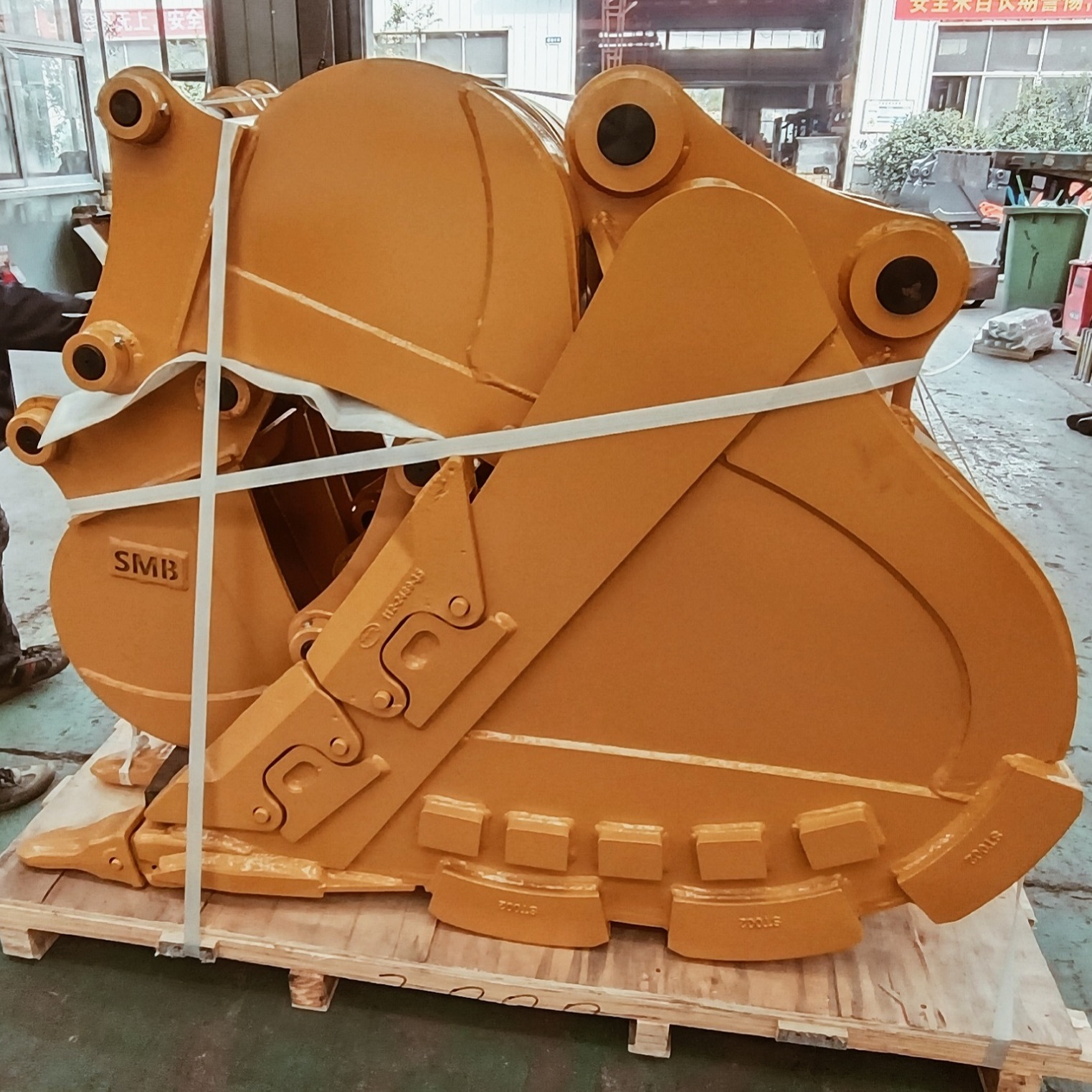
Every professional operator knows: matching the right attachment to the job is paramount for efficiency and cost-effectiveness. While hydraulic breakers and grapples have their place, the humble bucket remains the excavator's most versatile workhorse. Far from a one-size-fits-all tool, dozens of specialized buckets exist, each engineered to excel in specific conditions. Selecting the optimal bucket dramatically boosts productivity and protects your investment. Here's a breakdown of key excavator bucket types:
Standard/Digging Bucket:
Description: The most common bucket for general use, typically found on small to mid-sized excavators. Constructed from standard gauge steel without significant additional reinforcement.
Advantages: Offers the largest bucket volume and open area, maximizing material carrying capacity (high fill factor). Highly efficient and cost-effective for light-duty tasks.
Limitations: Shorter lifespan due to standard plate thickness and lack of heavy reinforcement or wear protection. Not suited for abrasive or high-impact materials.
Best For: General digging in soft to medium soils (clay, sand, loam), light gravel, and general material loading/unloading in non-demanding conditions. Often called a "GP" (General Purpose) or "Dirt" bucket.
Reinforced Bucket (Heavy-Duty Bucket):
Description: An upgraded version of the standard bucket. Built on a standard profile but features critical reinforcements using high-strength, abrasion-resistant (AR) steel plates on high-stress and wear-prone areas (cutting edge, back, corners, side shrouds).
Advantages: Retains the good capacity of a standard bucket while offering significantly enhanced durability, strength, and wear resistance. Longer lifespan under tougher conditions.
Limitations: Slightly heavier and more expensive than a standard bucket. Not designed for severe rock or constant heavy impact.
Best For: Digging compacted/hard soils, soft rock, and loading abrasive materials like gravel, crushed rock, and heavy clay. Ideal for general construction and quarry work needing more durability than a standard bucket provides.
Rock Bucket:
Description: Engineered for extreme conditions. Features significantly thicker base plates, reinforced side plates with extra wear liners (side cutters/shrouds), heavy-duty bottom protection (wear bars/plates), and robust, replaceable heavy-duty tooth adapters (shanks).
Advantages: Exceptional strength and wear resistance to withstand constant impact, abrasion, and high breakout forces encountered in rock and blasted material.
Limitations: Heavier weight reduces overall machine lifting capacity and potential bucket volume compared to standard/reinforced buckets. Higher initial cost.
Best For: Loading blasted rock, boulders, very hard or abrasive virgin rock, rip-rap, and demolition debris containing heavy rebar or concrete. Essential in mining, heavy quarrying, and demanding demolition sites.
Trenching (V) Bucket:
Description: Characterized by a narrow, V-shaped profile. Features reinforced sidewalls and often a robust center tooth or point.
Advantages: Concentrates digging force for excellent penetration in hard or compacted soils. Creates clean, narrow trench walls with minimal spillage/collapse. Highly efficient for pipe or cable laying.
Best For: Digging narrow, deep trenches efficiently in various soil conditions.
Skeleton/Sorting/Screening Bucket:
Description: Features a grated design with gaps between robust tines (bars).
Advantages: Allows fine material (soil, sand) to sift through while retaining larger rocks, debris, roots, or recyclables (like clean aggregate or metals). Separates materials during the digging/loading process.
Best For: Separating topsoil from rock, cleaning demolition debris, processing recyclables, drainage work, and root raking. Saves time and cost by eliminating the need for separate screening.
Clean-Up/Spade Nose Bucket:
Description: Features a wide, flat profile with a straight or slightly curved cutting edge and few or no teeth.
Advantages: Provides a large, smooth surface for precise grading, leveling, backfilling, slope finishing, and scraping. Minimizes surface disturbance.
Best For: Final grading, backfilling trenches, creating smooth slopes or pads, site clean-up, and snow removal.
Silt/Mud Bucket:
Description: Very wide bucket with a large capacity, minimal teeth (or none), and sometimes a flared design. Often features a smooth surface or special coatings to prevent material sticking.
Advantages: Maximizes volume for moving low-density, cohesive materials. Wide shape distributes weight, reducing sinkage. Anti-stick properties improve material release.
Best For: Efficiently handling mud, silt, clay, sludge, manure, and other sticky, wet, or lightweight materials.
Choosing Wisely = Maximizing Profitability
Investing in the right bucket for the specific task isn't an expense – it's an investment. The correct bucket:
Dramatically increases efficiency (faster cycle times, less machine strain).
Reduces operating costs (lower fuel consumption, less wear on the machine).
Extends bucket and machine component life.
Improves job quality and precision.
Boosts your bottom line (studies and experience confirm potential profit increases of 15% or more).
By understanding the strengths and applications of these fundamental bucket types, you empower yourself to select the perfect "cutting edge" for every job, ensuring your excavator operates at its peak potential. Remember: the right tool makes all the difference.
Standard/Digging Bucket:
Description: The most common bucket for general use, typically found on small to mid-sized excavators. Constructed from standard gauge steel without significant additional reinforcement.
Advantages: Offers the largest bucket volume and open area, maximizing material carrying capacity (high fill factor). Highly efficient and cost-effective for light-duty tasks.
Limitations: Shorter lifespan due to standard plate thickness and lack of heavy reinforcement or wear protection. Not suited for abrasive or high-impact materials.
Best For: General digging in soft to medium soils (clay, sand, loam), light gravel, and general material loading/unloading in non-demanding conditions. Often called a "GP" (General Purpose) or "Dirt" bucket.
Reinforced Bucket (Heavy-Duty Bucket):
Description: An upgraded version of the standard bucket. Built on a standard profile but features critical reinforcements using high-strength, abrasion-resistant (AR) steel plates on high-stress and wear-prone areas (cutting edge, back, corners, side shrouds).
Advantages: Retains the good capacity of a standard bucket while offering significantly enhanced durability, strength, and wear resistance. Longer lifespan under tougher conditions.
Limitations: Slightly heavier and more expensive than a standard bucket. Not designed for severe rock or constant heavy impact.
Best For: Digging compacted/hard soils, soft rock, and loading abrasive materials like gravel, crushed rock, and heavy clay. Ideal for general construction and quarry work needing more durability than a standard bucket provides.
Rock Bucket:
Description: Engineered for extreme conditions. Features significantly thicker base plates, reinforced side plates with extra wear liners (side cutters/shrouds), heavy-duty bottom protection (wear bars/plates), and robust, replaceable heavy-duty tooth adapters (shanks).
Advantages: Exceptional strength and wear resistance to withstand constant impact, abrasion, and high breakout forces encountered in rock and blasted material.
Limitations: Heavier weight reduces overall machine lifting capacity and potential bucket volume compared to standard/reinforced buckets. Higher initial cost.
Best For: Loading blasted rock, boulders, very hard or abrasive virgin rock, rip-rap, and demolition debris containing heavy rebar or concrete. Essential in mining, heavy quarrying, and demanding demolition sites.
Trenching (V) Bucket:
Description: Characterized by a narrow, V-shaped profile. Features reinforced sidewalls and often a robust center tooth or point.
Advantages: Concentrates digging force for excellent penetration in hard or compacted soils. Creates clean, narrow trench walls with minimal spillage/collapse. Highly efficient for pipe or cable laying.
Best For: Digging narrow, deep trenches efficiently in various soil conditions.
Skeleton/Sorting/Screening Bucket:
Description: Features a grated design with gaps between robust tines (bars).
Advantages: Allows fine material (soil, sand) to sift through while retaining larger rocks, debris, roots, or recyclables (like clean aggregate or metals). Separates materials during the digging/loading process.
Best For: Separating topsoil from rock, cleaning demolition debris, processing recyclables, drainage work, and root raking. Saves time and cost by eliminating the need for separate screening.
Clean-Up/Spade Nose Bucket:
Description: Features a wide, flat profile with a straight or slightly curved cutting edge and few or no teeth.
Advantages: Provides a large, smooth surface for precise grading, leveling, backfilling, slope finishing, and scraping. Minimizes surface disturbance.
Best For: Final grading, backfilling trenches, creating smooth slopes or pads, site clean-up, and snow removal.
Silt/Mud Bucket:
Description: Very wide bucket with a large capacity, minimal teeth (or none), and sometimes a flared design. Often features a smooth surface or special coatings to prevent material sticking.
Advantages: Maximizes volume for moving low-density, cohesive materials. Wide shape distributes weight, reducing sinkage. Anti-stick properties improve material release.
Best For: Efficiently handling mud, silt, clay, sludge, manure, and other sticky, wet, or lightweight materials.
Choosing Wisely = Maximizing Profitability
Investing in the right bucket for the specific task isn't an expense – it's an investment. The correct bucket:
Dramatically increases efficiency (faster cycle times, less machine strain).
Reduces operating costs (lower fuel consumption, less wear on the machine).
Extends bucket and machine component life.
Improves job quality and precision.
Boosts your bottom line (studies and experience confirm potential profit increases of 15% or more).
By understanding the strengths and applications of these fundamental bucket types, you empower yourself to select the perfect "cutting edge" for every job, ensuring your excavator operates at its peak potential. Remember: the right tool makes all the difference.
Choosing Wisely: Your Excavator Bucket's Critical Impact on Productivity & Profit
The Unsung Hero: Maximizing Excavator Bucket Performance Through Selection & Care
Related Article

this angle broom sweeper combines advanced features like hydraulic steering, cross-slope articulation, adjustable height, and a protected motor within a durable, lightweight frame. It delivers efficient, high-quality cleaning of snow and debris while prioritizing operator visibility, ease of use, and long-term reliability.
Angle Broom Sweeper: Key Features for Superior Road & Area Cleaning