
The Unsung Hero: Maximizing Excavator Bucket Performance Through Selection & Care
2025-06-21
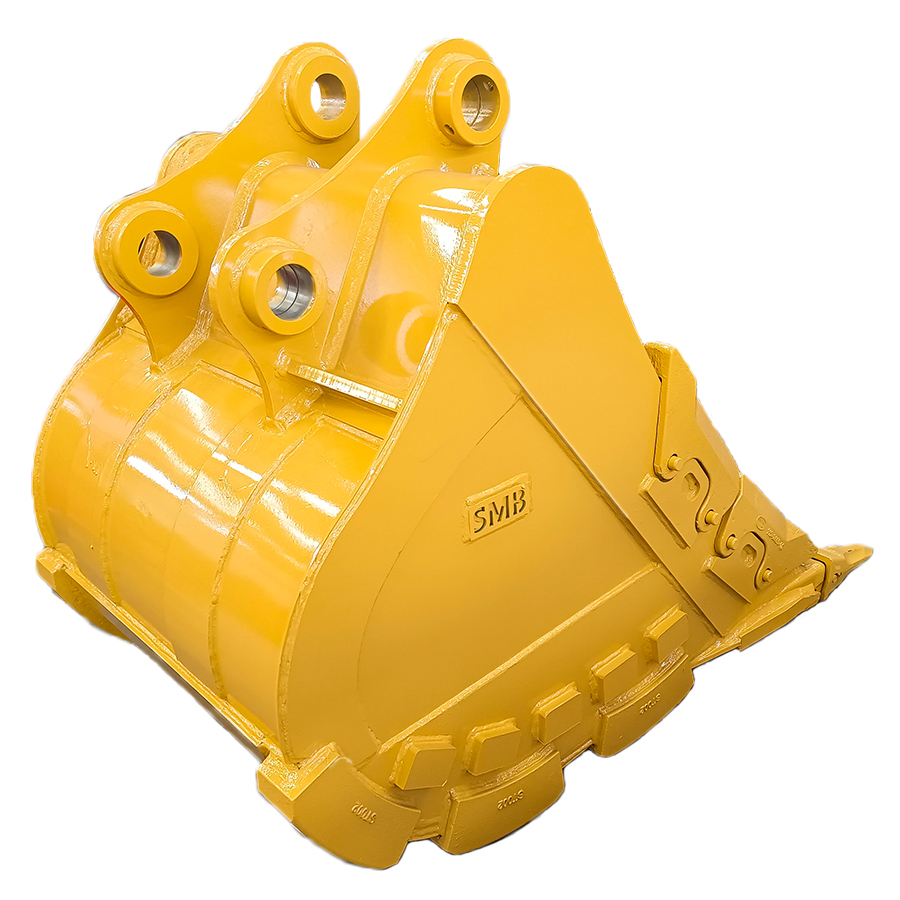
The excavator bucket is arguably the machine's hardest-working attachment. Yet, compared to the engine or hydraulic systems, its simple structure often means it receives far less attention. Does the bucket really need so little focus? Absolutely not!
As the primary interface with the ground, the bucket exists in dozens of specialized types tailored to different materials and functions. Choosing and maintaining the right bucket isn't just about digging – it's a critical factor in profitability and operational efficiency.
Selecting the Right Tool: It's Not One-Size-Fits-All.
Using the correct bucket for the job delivers tangible results:
Boosted Efficiency: A V-trenching bucket dramatically outperforms a standard bucket in digging narrow trenches. The right tool gets the job done faster.
Reduced Costs: Proper selection minimizes wear, fuel consumption, and machine strain.
Profitability Impact: Studies and operator experience consistently show that selecting the most appropriate bucket can increase annual gross profit by 15% or more. The adage holds true: "Sharpen your tools first if you want to do your job well."
Boosted Efficiency: A V-trenching bucket dramatically outperforms a standard bucket in digging narrow trenches. The right tool gets the job done faster.
Reduced Costs: Proper selection minimizes wear, fuel consumption, and machine strain.
Profitability Impact: Studies and operator experience consistently show that selecting the most appropriate bucket can increase annual gross profit by 15% or more. The adage holds true: "Sharpen your tools first if you want to do your job well."
Common Bucket Types & Applications:
Standard/Digging Bucket: General purpose digging in soil and clay.
Heavy-Duty/Rock Bucket: Reinforced construction, wear-resistant liners, and often specialized teeth for abrasive or rocky conditions.
Trenching (V) Bucket: Narrow profile for clean, precise trench digging.
Skeleton/Sifting Bucket: Grated design for separating fines from rock or demolition debris.
Silt/Mud Bucket: Extra-wide profile with fewer teeth for moving lightweight, cohesive materials like mud or sludge.
Grading Bucket: Wider, flatter design with a straight cutting edge for final grading and leveling.
Standard/Digging Bucket: General purpose digging in soil and clay.
Heavy-Duty/Rock Bucket: Reinforced construction, wear-resistant liners, and often specialized teeth for abrasive or rocky conditions.
Trenching (V) Bucket: Narrow profile for clean, precise trench digging.
Skeleton/Sifting Bucket: Grated design for separating fines from rock or demolition debris.
Silt/Mud Bucket: Extra-wide profile with fewer teeth for moving lightweight, cohesive materials like mud or sludge.
Grading Bucket: Wider, flatter design with a straight cutting edge for final grading and leveling.
Essential Maintenance: Protecting Your Investment
Neglecting bucket maintenance is a costly mistake. Key areas demand regular attention:
Bucket Teeth & Adapters (The Frontline Soldiers):
Heavy Wear: Teeth are consumable items, especially in rock or abrasive conditions. Monitor wear closely.
Timely Replacement is Crucial: Replace teeth before they wear past their usable limit. Severely worn teeth lead to:
Structural Damage: Excessive force transfers to the tooth adapter (shank), causing breakage. This force can then tear the bucket's cutting edge (front lip) or even crack welds on the bucket itself.
Increased Costs: The excavator works harder, burning more fuel while productivity plummets.
Right Tooth for the Job: Use specialized teeth (e.g., robust rock teeth, sharper sand/gravel teeth) to maximize penetration, reduce wear, and lower operating costs.
Cutting Edge & Side Cutters:
Abrasion & Impact: The cutting edge takes constant abuse. Wear reduces digging efficiency and bucket capacity.
Replacement/Buildup: Worn cutting edges should be replaced or built up with hardfacing. Protect vulnerable corners with replaceable side cutters or wear plates.
Bucket Structure (Shell, Welds, Liners):
Routine Inspection is Paramount: Regularly check the entire bucket for cracks (especially at stress points and welds), significant dents, or bent components. Rocks and heavy impacts cause structural fatigue.
Address Damage Immediately: Small cracks rapidly grow. Bent components alter digging geometry and increase stress. Prompt repair prevents catastrophic failure and much higher repair costs.
Wear Protection: Utilize wear plates or liners strategically on the back, sides, and bottom to prolong the bucket shell's life in demanding applications.
Routine Inspection is Paramount: Regularly check the entire bucket for cracks (especially at stress points and welds), significant dents, or bent components. Rocks and heavy impacts cause structural fatigue.
Address Damage Immediately: Small cracks rapidly grow. Bent components alter digging geometry and increase stress. Prompt repair prevents catastrophic failure and much higher repair costs.
Wear Protection: Utilize wear plates or liners strategically on the back, sides, and bottom to prolong the bucket shell's life in demanding applications.
The Cost of Neglect: Why Maintenance Matters
Ignoring wear, damage, or using the wrong bucket leads to a cascade of problems:
Accelerated Wear & Damage: Small issues become major, expensive repairs.
Reduced Efficiency & Productivity: The machine struggles, takes longer, and moves less material.
Increased Fuel Consumption: The excavator labors harder against excessive resistance.
Higher Total Operating Costs: Combine expensive repairs, wasted fuel, and lost productivity – profits vanish.
Potential Downtime: Catastrophic failure (like a torn lip or cracked shell) sidelines the machine.
Ignoring wear, damage, or using the wrong bucket leads to a cascade of problems:
Accelerated Wear & Damage: Small issues become major, expensive repairs.
Reduced Efficiency & Productivity: The machine struggles, takes longer, and moves less material.
Increased Fuel Consumption: The excavator labors harder against excessive resistance.
Higher Total Operating Costs: Combine expensive repairs, wasted fuel, and lost productivity – profits vanish.
Potential Downtime: Catastrophic failure (like a torn lip or cracked shell) sidelines the machine.
Conclusion: The Bucket is a Profit Center
View your excavator bucket not just as a simple attachment, but as a vital component directly impacting your bottom line. Investing time and resources in selecting the optimal bucket for each specific task and implementing a rigorous preventative maintenance program pays substantial dividends. Protect your equipment, maximize productivity, and safeguard your profits by giving your excavator's hardest worker the attention it deserves. A well-chosen and well-maintained bucket is fundamental to efficient and cost-effective excavation.
Choosing Your Cutting Edge: A Guide to Essential Excavator Bucket Types
Related Article

this angle broom sweeper combines advanced features like hydraulic steering, cross-slope articulation, adjustable height, and a protected motor within a durable, lightweight frame. It delivers efficient, high-quality cleaning of snow and debris while prioritizing operator visibility, ease of use, and long-term reliability.
Angle Broom Sweeper: Key Features for Superior Road & Area Cleaning